Wellness
Protein Sources Beyond Meat: A Local Guide for Tasmanian Eaters
As plant-based eating becomes mainstream in Hobart and beyond, here’s where and how locals are getting their protein, without steak on the plate.
3 min read
Updated Mon, 31 Aug
Wellness
As plant-based eating becomes mainstream in Hobart and beyond, here’s where and how locals are getting their protein, without steak on the plate.
3 min read
Updated Mon, 31 Aug
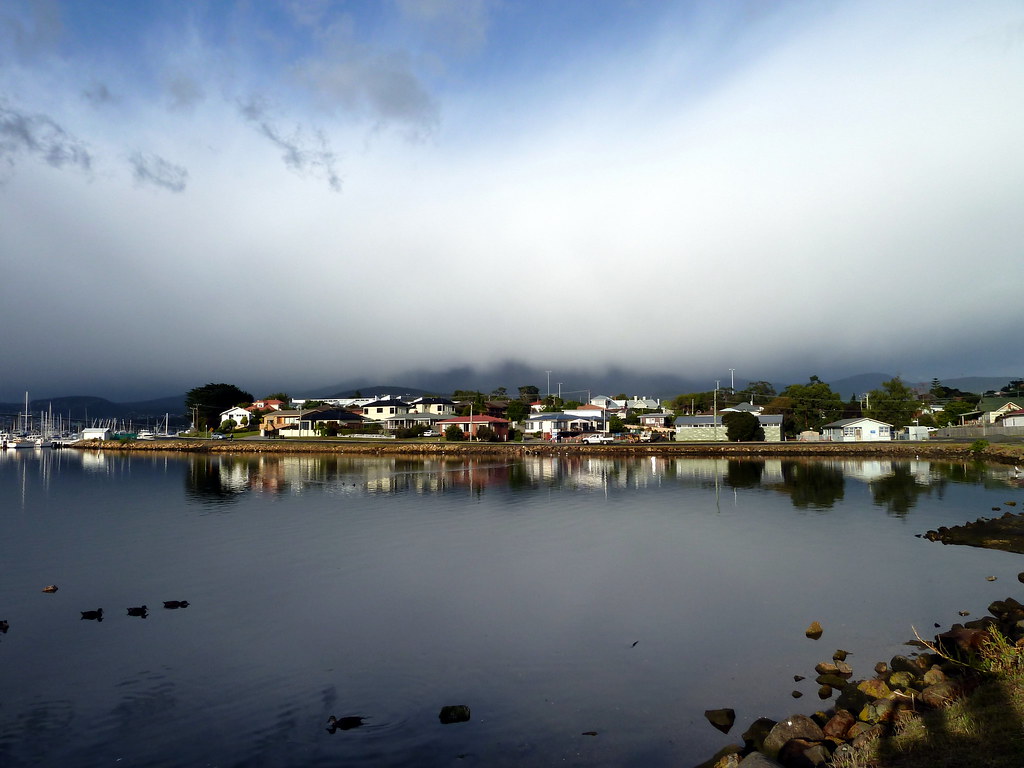
Quinoa breakfast bowls, hemp seed smoothies, and mushroom burgers are fast becoming staples from Salamanca Market to Sandy Bay cafes, as more Tasmanians look to get their protein from sources beyond traditional meats. Recent figures from the Tasmanian Department of Health show a steady rise in plant-based and flexitarian eating across the island, with sales of pulses and legumes hitting a five-year high at specialty grocers in 2025.
This shift comes at a time when health experts, including those at the University of Tasmania’s School of Medicine, are urging locals to reduce their reliance on red and processed meats. Diets high in alternative proteins have been linked to lower rates of cardiovascular disease and several cancers, a message reinforced by new guidelines released in May by the Heart Foundation’s regional unit in Hobart. With Tasmania’s clean air eating culture and the prominence of beachside parkruns and kunanyi / Mt Wellington summit hikes, it’s no surprise locals are rethinking their weekly menus.
The past winter, Coles on Macquarie Street reported a 28% increase in lentil and chickpea sales compared to the same quarter in 2024. Meanwhile, Tasmanian startup Fungi Farm, located outside Huonville, doubled its oyster mushroom output this year, responding to both home cooks and local eateries eager for meatless umami boosts. In North Hobart, Urban Greek now offers a popular spanakorizo (spinach rice) protein bowl featuring Tasmanian-grown broad beans. Meanwhile, the Organic Grocery Store on Elizabeth Street has expanded its bulk bin section to include locally harvested quinoa and hemp seeds, two crops supported by recent Department of Primary Industries grants.
National Nutriton Week survey data from October 2025 found one in four Tasmanians are now actively seeking to cut down meat consumption, the highest figure for any state after Victoria. According to Food South, the average cost per serving for plant-based protein in Hobart sits at $1.05, compared to $2.30 for chicken breast or $3.00 for rump steak, as of June 2026. Lentils from Tamar Valley farms are now available at regional IGA stores for $4.40 per kilogram, and the headline-grabbing hemp seed from Launceston co-op 13 Seeds retails for $12 per 400g pouch, offering roughly 25 grams of protein per serving.
Local health professionals, including those at Healthy Tasmania Community Innovation Grants, are trialling cooking classes this August in Glenorchy and South Hobart, teaching families how to make easy, high-protein meals using lentils, beans, tofu, and locally grown grains. City of Hobart’s updated school canteen guidelines, launched in March, also nudge students towards plant-based protein options, marking a subtle but significant shift in public health strategy.
For anyone keen to diversify their protein intake, the advice is practical: start by exploring the bulk bins at Hill Street Grocer on West Hobart’s corner, check local farmers’ markets for fresh mushrooms and fava beans, or try the tahini and lentil salad at Machine Laundry Cafe in Salamanca Square. If you’re unsure where to begin, the UTAS Nutrition Clinic on Campbell Street offers drop-in advice sessions every Thursday. For personal health concerns or questions about protein requirements, locals are urged to consult their GP or a qualified dietitian.
Wellness
Wellness
Wellness
Wellness
Wellness
Wellness
About this articleBeta
Published by The Daily Tasmania
Spread the word
Daily brief
Free, in your inbox before 7am. Weekdays.
The Daily Network — local news across Australia