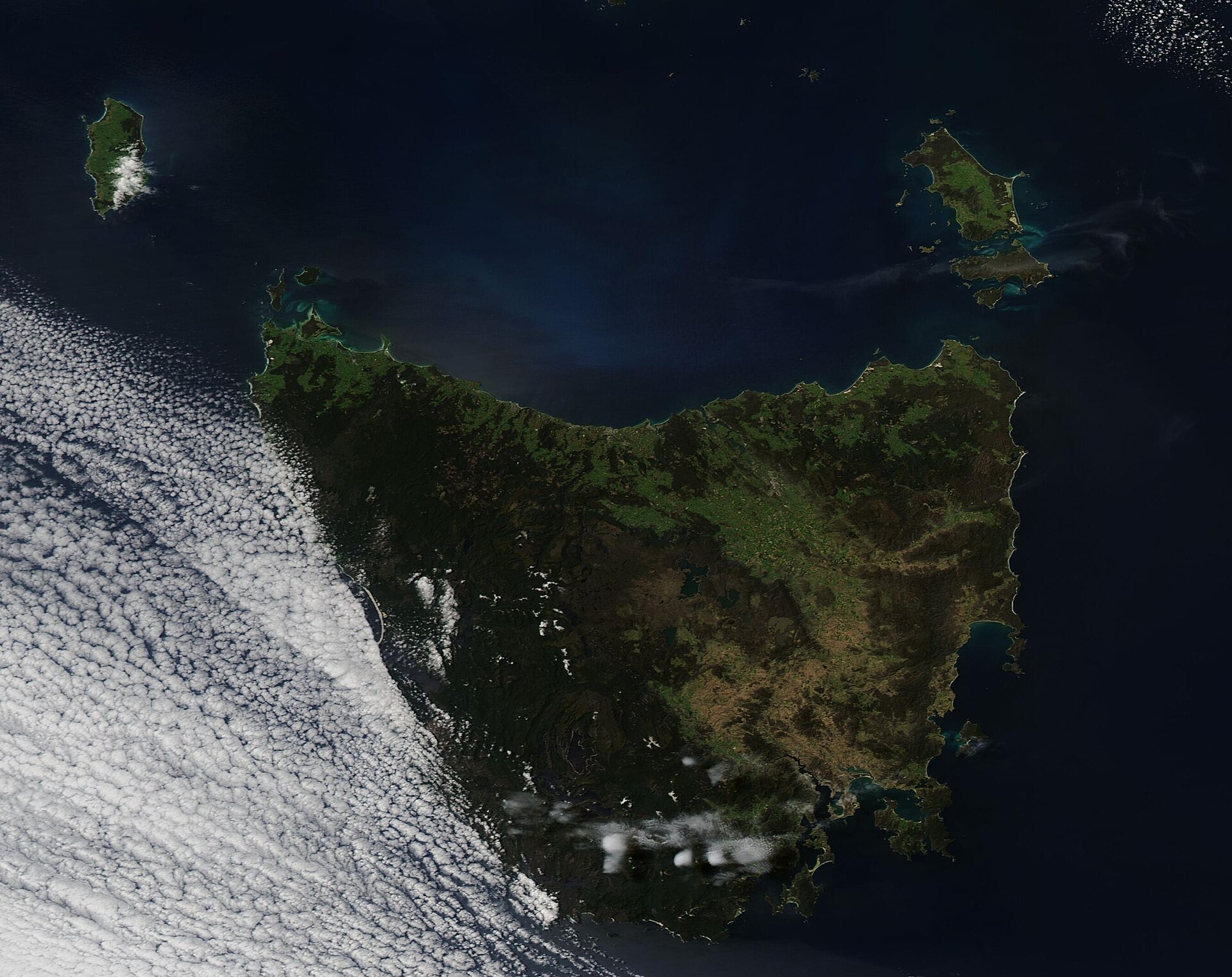
This is a general explainer about how education works in Tasmania, and the details change over time, so families should always confirm current arrangements with the relevant school, provider or government body before making decisions. Tasmania's education landscape has some features that set it apart from the mainland. It is served by a single public university spread across campuses in different parts of the state, and for much of its history it ran a distinctive two-stage senior secondary model in which many students moved from a high school to a separate senior college for Years 11 and 12. Understanding that structure, and how it has been changing, is the key to making sense of the choices on offer.
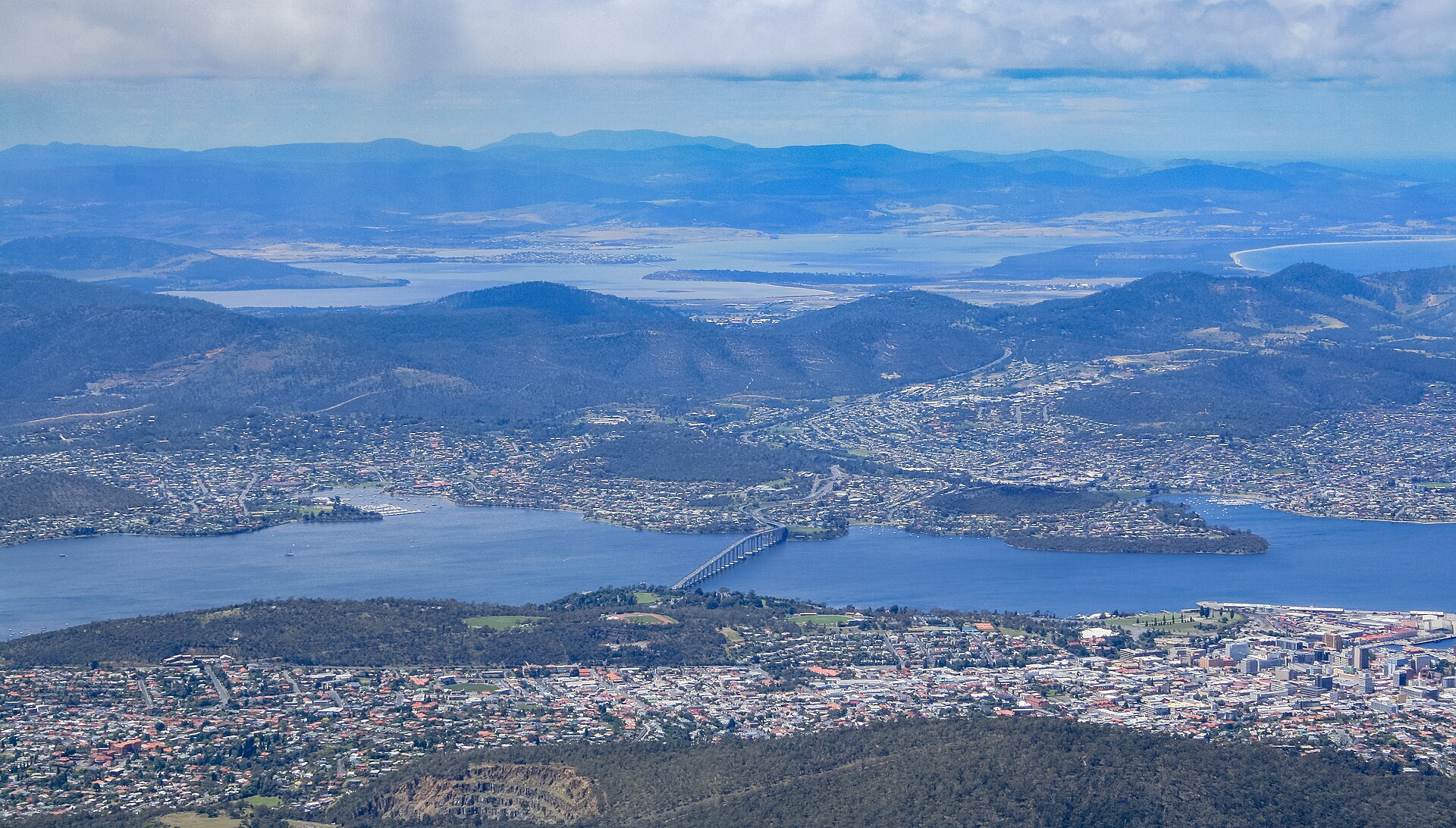
The University of Tasmania, widely known as UTAS, is the state's public university and one of Australia's older institutions, founded in the nineteenth century. According to the university's own published information, it operates across multiple locations, with major campuses in the south at Hobart, in the north at Launceston and in the north-west around Burnie. It also runs the Australian Maritime College, a national institute for maritime education and training, and the Institute for Marine and Antarctic Studies, which reflect Tasmania's strong links to the Southern Ocean and Antarctic research. As the only university headquartered in the state, UTAS plays an outsized role in higher education, research and the local graduate pipeline.
Vocational education and training in Tasmania is anchored by TasTAFE, the state's public training provider, which delivers practical, industry-focused qualifications across campuses and training centres around the island. TasTAFE offers courses in areas such as health and community services, trades and construction, hospitality and tourism, agriculture, and information technology, often with pathways that connect to apprenticeships and traineeships or articulate into further study. Alongside the public provider, a range of registered private and community-based training organisations operate in the state. Vocational training is an important option for school leavers and for adults retraining or upskilling, and many qualifications are designed to lead directly into local employment.
School education in Tasmania is overseen by the state's Department for Education, Children and Young People, which runs the government school system and sets the framework within which non-government schools operate. As in the rest of Australia, families can generally choose between government schools, which are publicly funded and open to local students, and non-government schools, a sector that in Tasmania includes Catholic schools coordinated through Catholic Education Tasmania as well as a variety of independent schools. The state also includes remote and rural communities, so distance education and the network of smaller area schools, which combine primary and secondary years on a single site, are a meaningful part of how schooling is delivered outside the larger centres.
One of the most distinctive aspects of Tasmanian schooling has been its senior secondary structure. For many years a large share of students completed Years 11 and 12 not at a traditional high school but at dedicated senior secondary colleges, with the Tasmanian Assessment, Standards and Certification body responsible for the Tasmanian Certificate of Education awarded at the end of Year 12. In recent years the government has extended more high schools to offer Years 11 and 12 on site, with the aim of helping more students stay engaged and complete their schooling, particularly in regional areas. Families weighing senior options should check directly with schools and colleges, because which years a given school offers can vary by location and can change.
Education is also a significant part of Tasmania's economy and workforce. The university, the public and non-government school systems, the vocational sector and the early childhood and childcare workforce together employ a large number of Tasmanians, and education and training consistently rank among the major employment areas in national labour statistics published by the Australian Bureau of Statistics. Beyond direct jobs, the sector supports the state in other ways, attracting interstate and international students, underpinning research linked to agriculture, marine science and health, and helping develop the skilled workforce that local industries rely on. For smaller towns in particular, a school or campus can be one of the larger and more stable local employers.
For families navigating the system, the practical questions usually centre on enrolment zones, transitions between stages and the range of subjects or support available. Government school enrolment is typically linked to where a family lives, while non-government schools manage their own enrolment processes and fees, so it is worth contacting individual schools early. Students with disability, students in rural areas and those needing additional learning support can ask schools and the education department about the services and adjustments available. Transition points, such as moving from primary to high school or into senior secondary study, are common moments for families to seek advice from teachers and school staff.
For students looking beyond school, Tasmania offers several pathways that can be mixed and matched. Some head straight into the workforce or into an apprenticeship; others enrol in vocational courses through TasTAFE or another registered provider; and others go on to university study at UTAS or interstate. Vocational study and university study are not mutually exclusive, and qualifications can sometimes be used as stepping stones from one to the other. Because entry requirements, course availability and support programs are updated regularly, the most reliable approach is to consult the relevant institution and the state education department directly, and to treat this explainer as a starting point rather than the final word.
Sources: Department for Education, Children and Young People (Tasmania), University of Tasmania, TasTAFE, Tasmanian Assessment, Standards and Certification, Catholic Education Tasmania, Australian Bureau of Statistics.
Related Articles