Tasmania's Salmon Aquaculture Industry at a Crossroads: What Happens Next and the Key Decisions Ahead
As the state government weighs options for the future of salmon farming, local communities and businesses are left wondering what the consequences will be for the environment and economy.
AI-assisted journalism under human editorial accountability and risk-based review. AI may assist with research, summarising and drafting. Where public source links underpin the article, they are shown below. Sensitive material is held for human review; some lower-risk material may be published automatically after sourcing, accuracy and safety checks. The Daily Tasmania covers Tasmania news. It is provided for general information only and is not professional, legal, financial, or medical advice. Read about our editorial care →
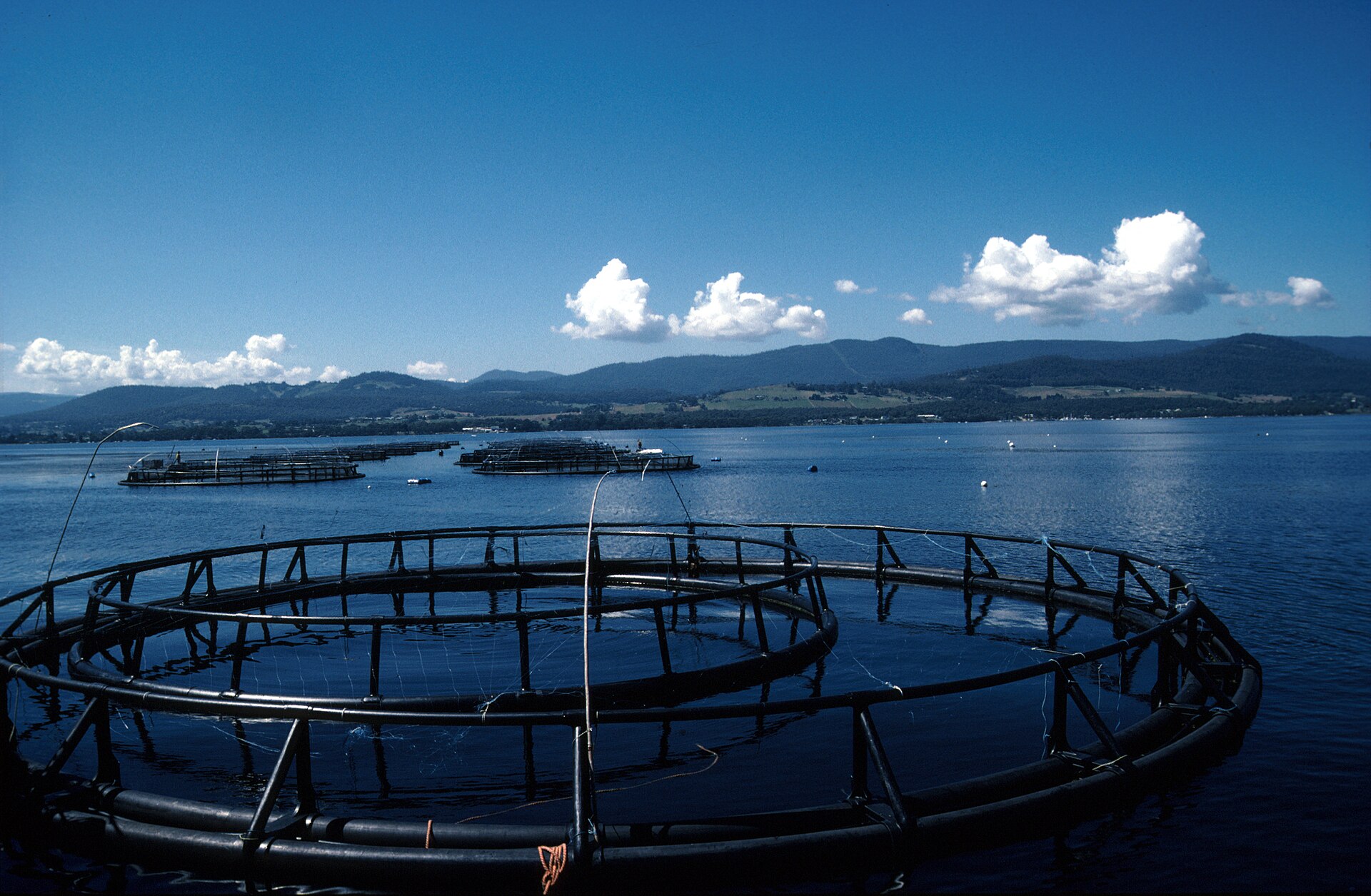
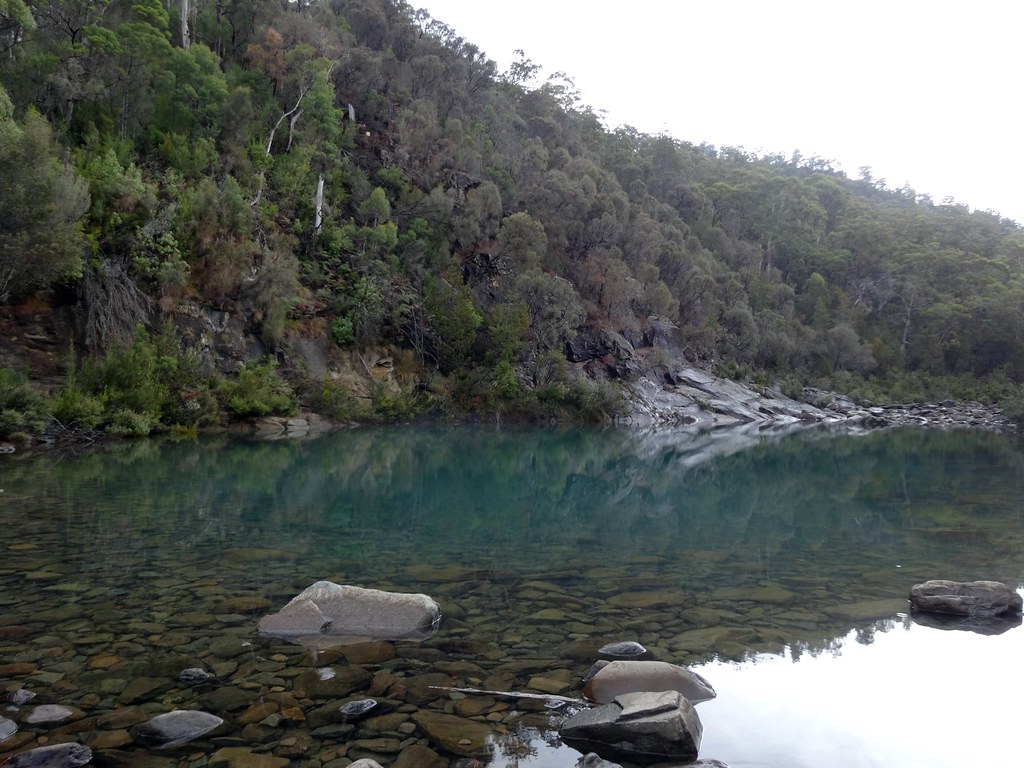
The Tasmanian government's recent announcement that it will be reviewing the state's salmon aquaculture industry has sent shockwaves through the local community, with many wondering what the future holds for this significant sector of the economy. The review comes amid growing concerns over the environmental impact of salmon farming, particularly in relation to the health of Tasmania's marine ecosystems.
The salmon aquaculture industry is a major player in Tasmania's economy, with companies such as Tassal and Huon Aquaculture operating in the state. The industry is worth around $700 million annually and employs thousands of people, many of whom live in coastal communities such as Devonport and Strahan. However, the industry has also been criticized for its environmental record, with concerns over fish escapes, disease outbreaks, and the impact of salmon farming on wild fish populations.
Local Impacts and Concerns
In places like Macquarie Harbour and the D'Entrecasteaux Channel, the effects of salmon farming are already being felt. Local residents and businesses are concerned about the potential long-term damage to the environment and the impact on tourism, which is a significant sector of the local economy. The Tasmanian Wilderness Society has called for a moratorium on new salmon farms, citing concerns over the industry's environmental record. Meanwhile, the Tasmanian Chamber of Commerce and Industry has expressed support for the industry, highlighting its economic importance to the state.
According to data from the Tasmanian Department of Primary Industries, Parks, Water and Environment, the state's salmon aquaculture industry produced over 53,000 tonnes of salmon in the 2020-21 financial year, with a value of around $640 million. However, the industry has also been associated with significant environmental costs, including the release of over 1,000 tonnes of nutrient-rich waste into the marine environment. The cost of cleaning up these waste products is estimated to be around $10 million per year, which is borne by the taxpayer.
As the state government considers the future of the salmon aquaculture industry, it will need to weigh the economic benefits against the environmental costs. The government has announced that it will be establishing an independent review panel to assess the industry's environmental impact and make recommendations for its future development. The panel will be chaired by a former director of the Commonwealth Scientific and Industrial Research Organisation (CSIRO) and will include representatives from the fishing industry, environmental groups, and local communities. The review is expected to take around 12 months to complete, with a final report due by June 2027.
Sources:
Source material used in preparing this article is listed below so readers can check the original record.
Covering news in Tasmania. Written by AI from the linked sources and not reviewed by a journalist before publishing. Sources are linked where available. Spotted an error or need a correction? Contact corrections@dailynetwork.news. Our reasonable editorial care.
Beta: AI-assisted and human-overseen. Details may be imperfect, so please verify anything important.
Spread the word
Share
Daily brief
Enjoyed this? Wake up to Tasmania news every morning.